Watercolor Flora Wedding Invitation Card: An Editable Design
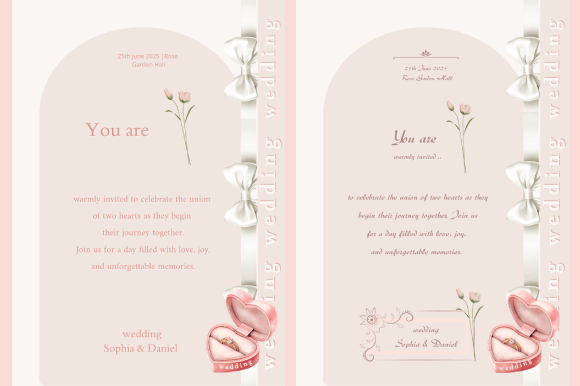
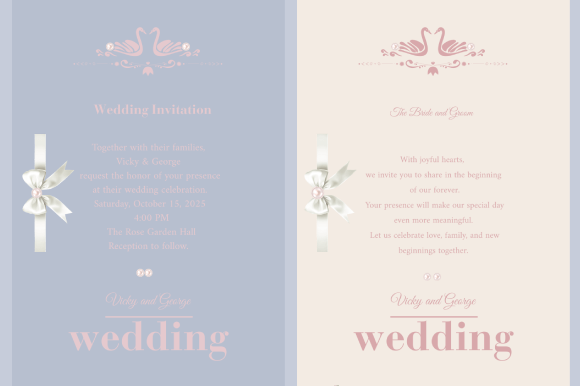
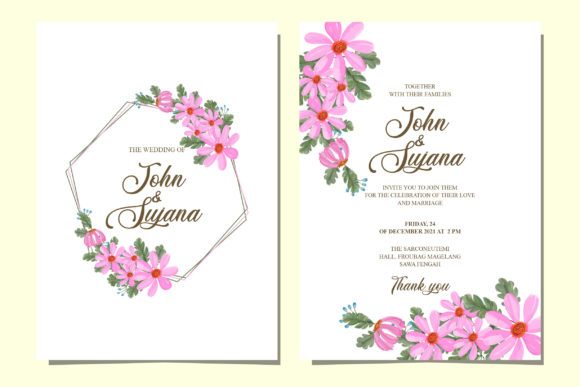
There’s a certain magic in a hand-painted watercolor illustration. The soft bleed of color, the delicate texture of the brushstrokes, the way a single petal can feel both precise and effortlessly organic. This is the essence of the Watercolor Flora Wedding Invitation Card design template. It’s not just a pre-made card; it’s a collection of beautiful floral vector elements—roses, leaves, and botanical accents—that come together to create an invitation suite with a distinct, artistic personality. The overall appeal is one of romantic elegance, natural beauty, and timeless sophistication. It feels personal, as if a talented calligrapher and painter crafted it just for your special day.
The Artistic Character of the Flora Vector
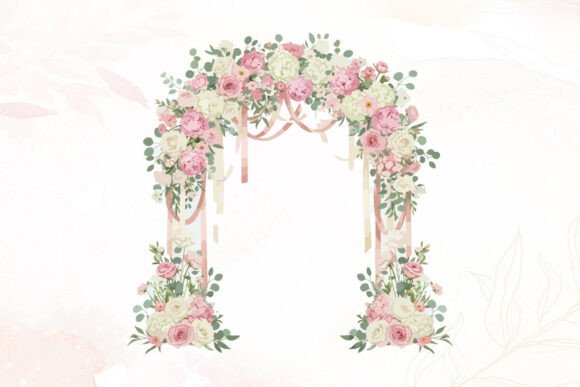
At its core, this design is built around a stunning set of floral vectors. The roses are rendered with a soft, watercolor wash, giving them depth and a gentle, ethereal quality. They aren’t flat or cartoonish; they have layers of translucent color that mimic real pigment on paper. The leaves and smaller botanicals complement this, providing structure and a sense of wild, garden-inspired growth. The personality of this design is romantic, feminine, and deeply connected to nature. It’s a style that communicates care, attention to detail, and a love for the classic and the beautiful. Think of it as a piece of editorial design for your most personal announcement.
This isn’t a rigid, corporate typeface. Its visual language speaks directly to projects that require warmth and a human touch. The Watercolor Flora Wedding Invitation Card template is a prime example of a creative font asset in a broader design system. The floral elements do the heavy lifting of setting the mood, which means the typography you pair with it can be more restrained. Often, these templates pair the watercolor flora with elegant serif fonts for a classic look or clean sans serif fonts for a more modern contrast. A delicate script font for names or headings can add a final touch of personal flair, creating a beautiful font pairing that feels cohesive and intentional.
Where This Floral Design Truly Shines
While its name points to weddings, the applications of this watercolor floral style extend far beyond. Its strength lies in any project where you want to evoke beauty, growth, and a handcrafted aesthetic. Consider these practical uses:
- Wedding & Event Suites: The obvious and perfect fit. Use the Watercolor Flora Wedding Invitation Card as a starting point, then adapt the floral vectors for RSVP cards, details cards, menus, programs, and thank-you notes to build a full, cohesive suite.
- Branding for Boutiques & Creatives: This style is gold for businesses in the wedding industry, florists, garden centers, artisanal bakeries, or high-end stationery shops. The floral elements can be used to create a unique logo design, or as recurring motifs in brand identity materials, business cards, and letterheads.
- Packaging Design & Labels: Imagine these watercolor roses on the label of a small-batch perfume, a scented candle, or artisanal soap. The design instantly communicates a premium, natural product.
- Digital Content & Social Media: The vectors are perfect for creating elegant social media graphics, blog post headers, or Pinterest pins for lifestyle, DIY, and wedding-focused content creators. They add instant visual polish.
- Editorial & Publishing: Use the floral elements as decorative borders, chapter headings, or pull-quote embellishments in a magazine, book, or lookbook, especially for genres like romance, lifestyle, or interior design.
The key is recognizing that the Watercolor Flora Wedding Invitation Card is a versatile design asset. It’s a toolkit for injecting elegance into both print and digital projects, for personal use or commercial ventures.
Making It Your Own: Practical Guidance
The true power of this template lies in its editability. The statement "very easy to personalize by yourself" is its most valuable feature for busy entrepreneurs, designers, and crafters. Here’s how to approach working with it effectively.
First, evaluate the project fit. Does your project’s tone align with the romantic, floral aesthetic? If you’re designing a tech startup’s launch materials, this might not be the right match. But if you’re a wedding planner creating a brand guide, or a blogger designing a series of printable art, it’s an excellent fit. The design already has a strong visual hierarchy—the flowers draw the eye, and the text fields are clear. Your job is to maintain that hierarchy while making it yours.
Next, focus on personalization and font pairing. The template likely includes suggested fonts, but you can swap them. If the original uses a script font, test a different one with similar flow. Pair it with a sturdy serif font for body text to ensure readability. Always check how your chosen text looks against the watercolor backgrounds. Does it remain legible? You may need to adjust the color or add a subtle drop shadow if the floral elements are very dense.
Test the included styles and elements. A good template will offer variations—perhaps different rose arrangements, leaf clusters, or banner shapes. Experiment with these to avoid a repetitive look if you’re creating a multi-page suite. Use a cluster of roses for the main invitation, a single leaf sprig for the RSVP card, and a small floral corner for the thank-you note. This creates variety within a consistent brand identity.
Finally, consider the licensing and support. The call to contact for help is crucial. If you’re not confident with your design software, reaching out for assistance to personalize the Watercolor Flora Wedding Invitation Card for your specific project is a smart move. Ensure you understand the license—most templates for commercial font and asset use allow for client work, but it’s always best to confirm. This template is more than a file; it’s a starting point for creating something uniquely beautiful and professionally polished, saving you time while elevating your creative output.